

Not everything worth paying attention to happens at City Hall. Here are three things happening in our natural surroundings.
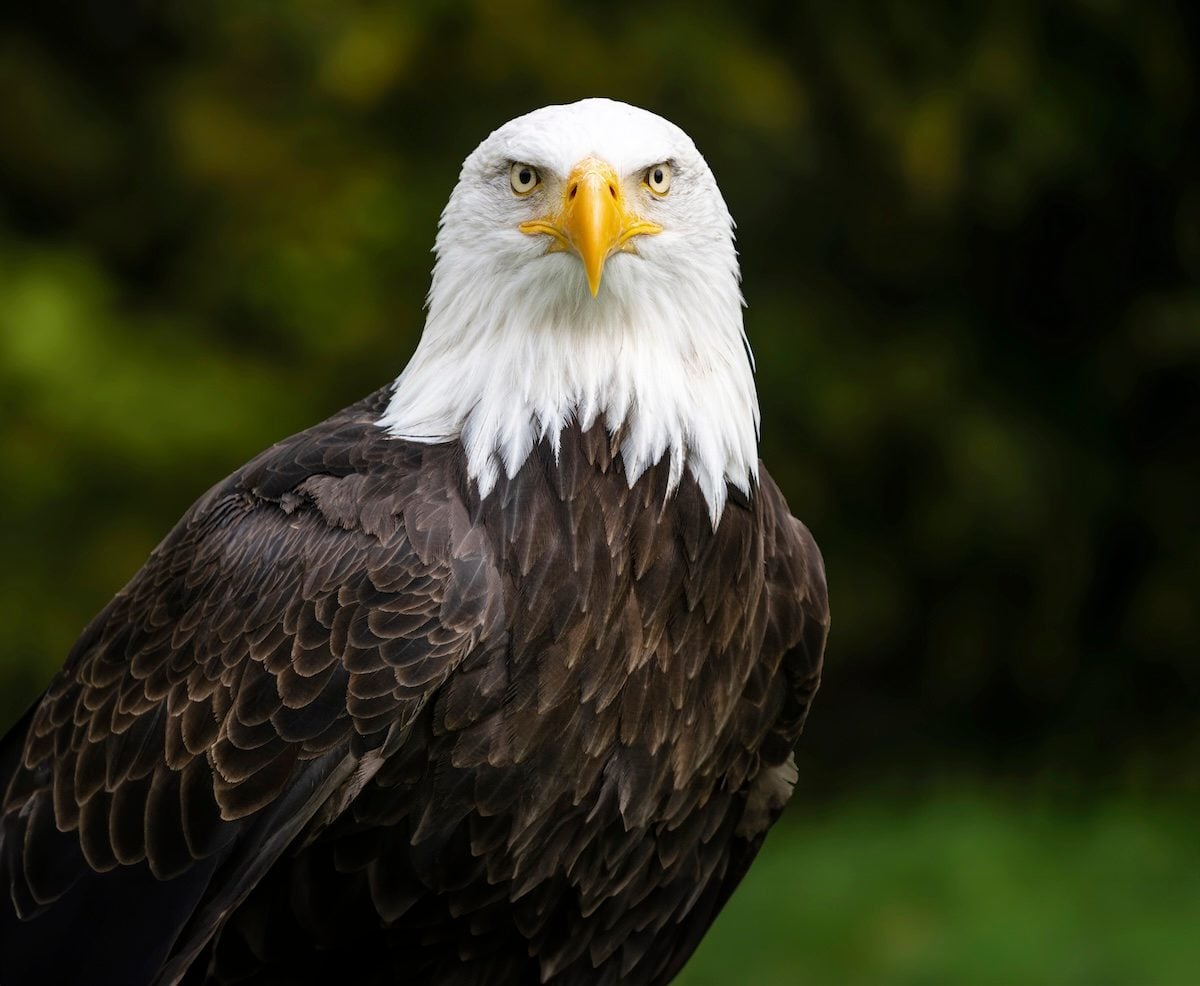
Bald Eagles Soar Above
Bald eagles have a long history on Lake Minnetonka. Ornithologist Thomas Roberts recorded a nest with young there in 1874, but DDT later pushed Lower 48 nesting pairs down to just 417 by 1963. Minnesota has since made a remarkable recovery, with an estimated 9,800 nesting pairs, second only to Alaska.
As other lakes freeze, eagles gather at open water: local nesting pairs plus migrants from northern Minnesota and Canada. On one November morning in 2018, 36 eagles sat on the ice of Smith’s Bay, and as many as 32 once hunted trapped coots on Wayzata Bay.
The eagles fish, hunt waterfowl, and steal from each other. They are spotted daily drifting over the marsh areas of western Shorewood. Threats do remain, including lead poisoning, which affects many eagles being treated at the University of Minnesota’s Raptor Center.
Sources:
MN Bird Atlas
Increase In Eagles Seen At Lake Minnetonka
View Interactive Map
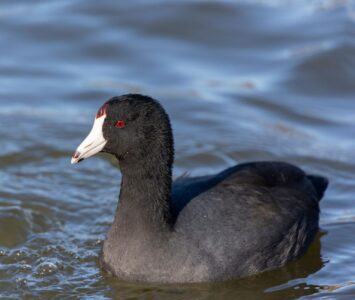
Speaking of Coots!
As autumn settles over Lake Minnetonka, thousands of American coots make their way through the lake as part of their seasonal migration south.
Often mistaken for ducks, coots are actually members of the rail family. They gather in masses near to the shores of the lake. Look for their dark, slate-gray bodies, distinctive white bills and bright red eyes. Coots are strong swimmers, often gathering in large, noisy flocks on open water.
Lake Minnetonka provides an important stopover during migration, offering resting areas and food as the birds prepare for the next leg of their journey. Coots feed primarily on aquatic vegetation, seeds and small aquatic creatures.
Their numbers can be impressive, with large rafts of birds gathering together before continuing south toward milder winter habitats.
For those watching the lake, these seasonal visitors are a reminder that Lake Minnetonka is more than a recreational destination. It is also an important part of Minnesota’s natural migration corridor.
Sources:
Minnesota DNR: American Coot
American Coot: Overview. Cornell Lab of Ornithology
Audubon: American Coot
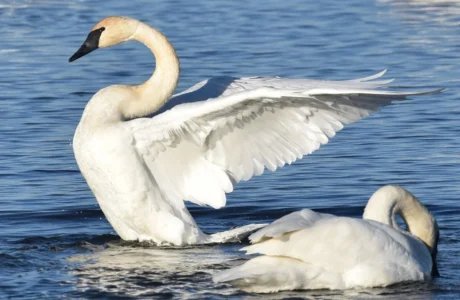
Trumpeter Swans Take Flight
Fall migration isn’t just for geese. Trumpeter swans are also on the move, and Lake Minnetonka is part of the picture. These impressive birds, North America’s largest native waterfowl, can have wingspans of up to eight feet and weigh more than 25 pounds.
But don’t assume every swan you see is headed south. Some Minnesota trumpeter swans migrate hundreds of miles, others travel shorter distances, and some stay put through winter if they can find open water and food.
Their return to Minnesota is quite a story. Once nearly eliminated from the state, trumpeter swans have made a remarkable comeback through decades of conservation and restoration efforts. The Minnesota DNR’s 2022 survey estimates the state’s breeding population at approximately 51,860 trumpeter swans– one of the largest trumpeter swan populations in the country.
So, the next time you see a gathering of white swans on Lake Minnetonka, take a second look. You might be watching one of Minnesota’s great conservation success stories in motion.
Sources:
Trumpeter Swans Restoration Project, MN DNR
Population Survey, MN DNR
Trumpeter Swan Movement Research, University of Minnesota
Was this post useful?
Average rating 4.7 / 5. Vote count: 7
No votes so far! Be the first to rate this post.


