
Policing by the numbers: The SLMPD budget
The South Lake Minnetonka Police Department Joint Powers Agreement (JPA) dictates the management and funding of the department.
The JPA follows good governance principles like shared decision-making, but falls short on transparency and accountability.
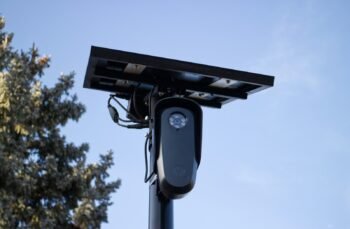
Flock Safety: A National Citizen Revolt
When SCA first covered Shorewood’s Flock ALPR cameras in fall 2025, few other examples of citizen resistance existed.
That has changed. Citizen pressure, not policy handed down from above, is now driving the shift away from Flock nationwide.

Dispute: One Mayor, Two Committees
A year-long dispute between the member cities of the South Lake Minnetonka Police Department Coordinating Committee came to a head at the June 6 meeting.
The issue: Is Greenwood Mayor Tom Fletcher violating the SLMPD Joint Powers Agreement by serving on both of the SLMPD governing committees?

Mass Adoption of AI is Happening Is Shorewood Ready?
Mass adoption of AI is happening. Generative AI will reach its peak in the US by 2028. Cities like Chanhassen, Plymouth, Brooklyn Park are already embracing AI and the League of MN Cities has published its 2nd set of AI guidelines as of April 26th, 2026.
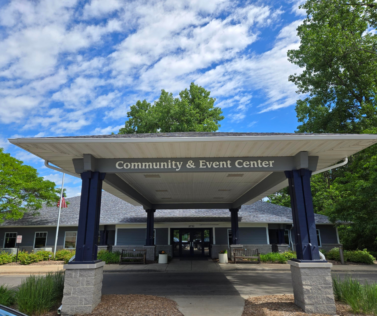
Youth Program Calls Shorewood Community Center Home
While the Shorewood Community & Event Center (SCEC) has struggled to change its identity from “just for seniors”, a youth program has quietly and successfully used the center as its home base for over a decade.
Who knew?
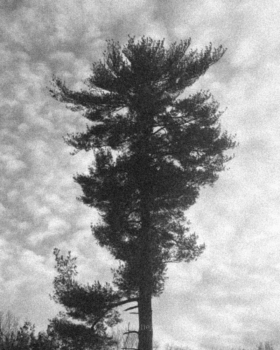
Our Rare Witness Tree
One hundred and twenty-five years ago, Henry Ford’s Model T was still seven years away. The Wright Brothers hadn’t flown. Women couldn’t yet vote. World War I was over a decade in the future.
And a young eastern white pine was taking root at the corner of Birch Bluff and Eureka North.
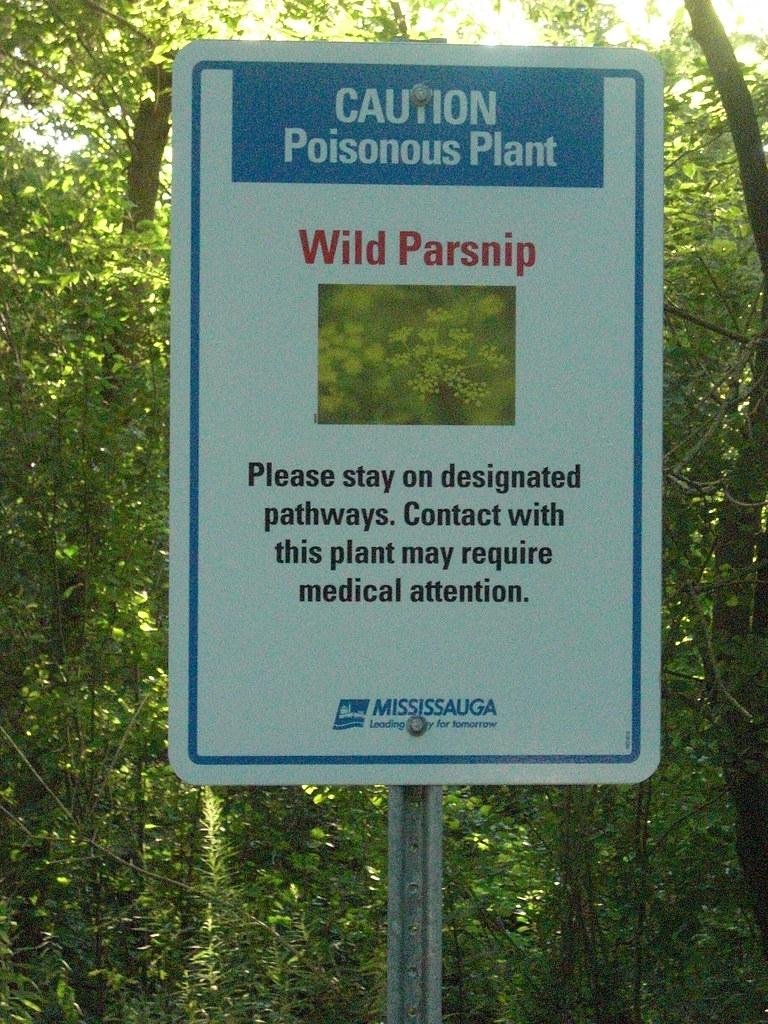
A New Invader in Town: Wild Parsnips
The MnDNR says “Invasive species are species that are not native to Minnesota and cause economic or environmental harm or harm to human health.”
Wild parsnips are one of the latest “invasives” to show up in the region.


