

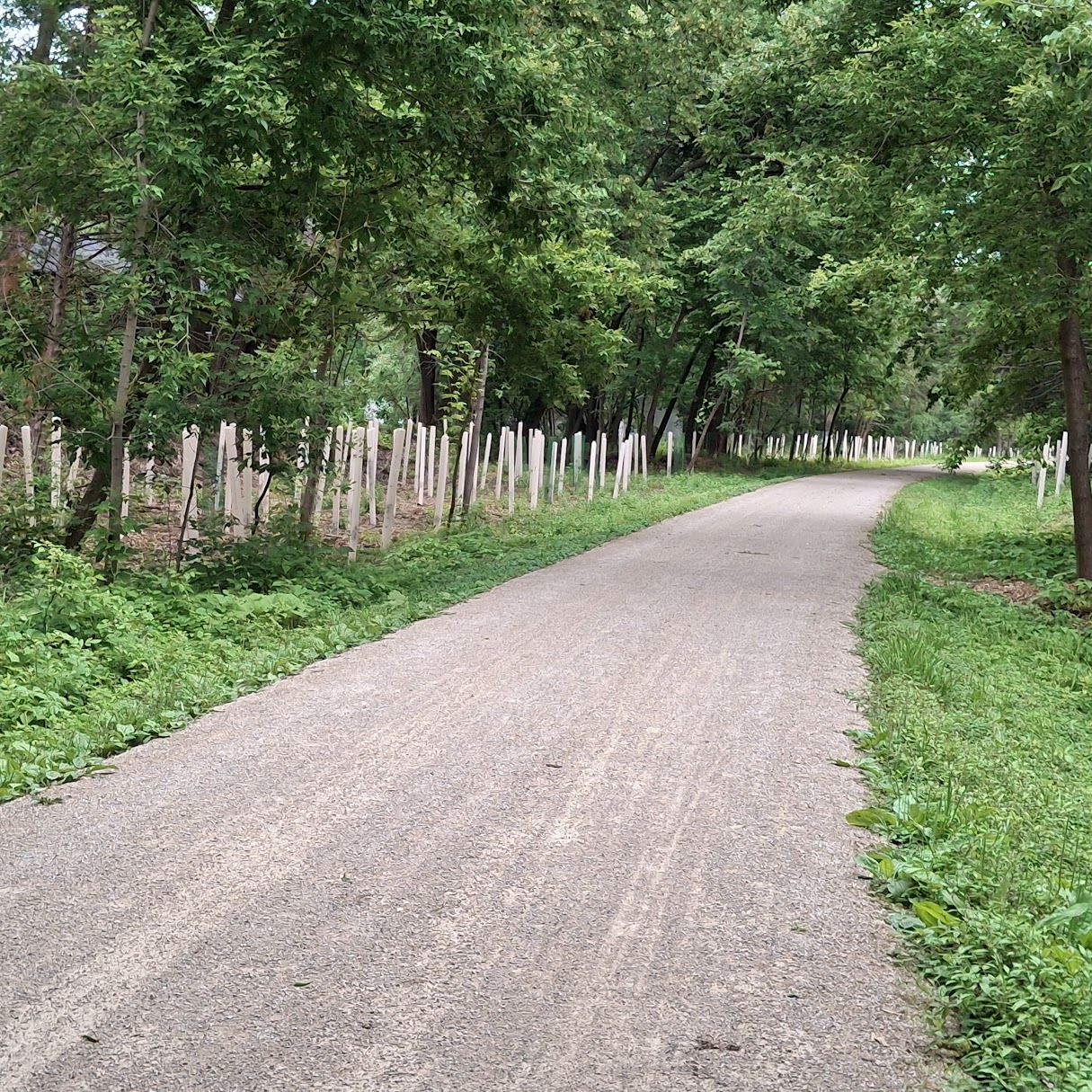
Ash Borer Reshapes the LRT Regional Trail
Noticed bare patches along the Lake Minnetonka Regional Trail? That land belongs to the Hennepin County Regional Rail Authority (HCRRA), not Three Rivers—so the trees are HCRRA’s call.
Roughly 13,000 ash trees have been removed or designated for removal along 55 miles of corridor. Those trees are likely to be infected by emerald ash borer now or within a decade. Rather than wait, crews remove the smaller ash first, planting tubed seedlings and saplings to rebuild the canopy and add diversity. Tubes protect from animal damage. A varied mix means no single pest or disease can create a need to clear-cut the trail again.
Logs with a radius 12”or more are reprocessed at a lumber mill, smaller trees and brush were chipped into mulch in the areas of new plantings.
Curious which tree species are being planted? Ask hcrra@hennepin.us
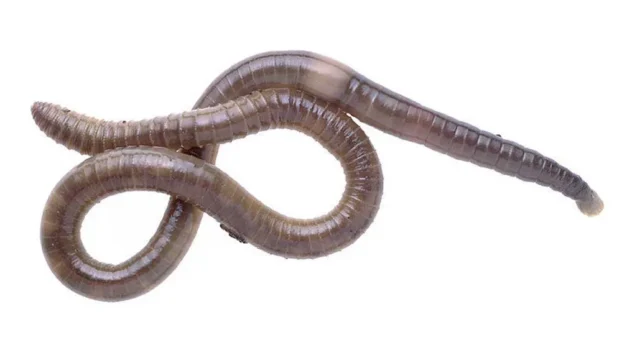
Jumping Worms: Another Invader
A new troublemaker may be wriggling beneath Shorewood gardens. Jumping worms is an invasive species from Asia. They consume organic matter at an alarming rate, stripping the soil of essential nutrients and leaving behind a dry, loose material that resembles coffee grounds. That damaged soil stresses plants and worsens erosion. Jumping worms are identified by their thrashing, snake-like movement and a smooth white band encircling the body. Soil, plant roots and mulch are common methods to spread jumping worms. Clean tools and inspect plants before swapping with neighbors. Found some? Seal them in a bag and dispose of them in the trash, then report to the Minnesota DNR for monitoring persons. Worm factoid: No earthworms are native to Minnesota and other northern states.
Source:
MN DNR
Mountain or Molehill
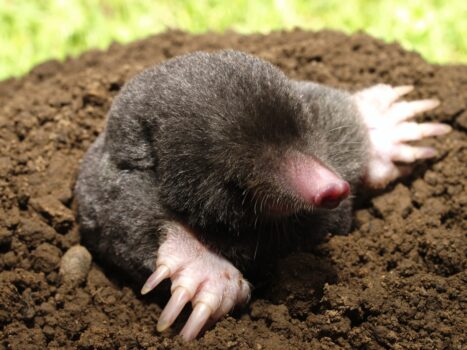
There is nothing pretty about the eastern mole. Beak-like noses, unseen eyes, no ears, velvety fur, and stubby, hairless tails–these are identifying characteristics of moles.
Eastern moles live underground in fields, lawns, and meadows where their tunneling creates snakelike ridges on the surface. These tunnels usually kill grass, much to the frustration of homeowners. Moles feed on worms–85 percent of their diet–and insects. In search of food, they literally swim through the soil by digging with their short, outward-facing, spade-like front feet. The eastern mole occurs only in the southeast fourth of the state. It is six to seven inches long and weighs about four ounces.
Moles aren’t after your grass. Worms make up about 85 percent of their diet, with grubs and insects rounding it out; the root damage is just collateral from the hunt. They’re prolific diggers: A single mole can tunnel up to 100 feet in a day, swimming through soil with spade-like front feet. Most experts agree that trapping is the most effective way to take back your lawn.
Minnesota Extension provides detailed information on how to trap the moles or check on YouTube.
Was this post useful?
Average rating 5 / 5. Vote count: 4
No votes so far! Be the first to rate this post.


