


Lights Out Minnesota!
The Program: Lights Out Minnesota works with residents and building owners to voluntarily dim unnecessary lighting overnight during bird migration seasons. Most birds migrate at night and can be drawn off course by lighted structures — many are killed or injured in collisions with buildings, or drop from exhaustion after circling them.
Lights Out Alert Minnesota (LOAM) is building a network of communities, organizations, and individuals using real-time migration forecasts to identify nights when they expect large numbers of birds to move across the region. On these high-activity nights, alerts are shared across the state encouraging people to take action when it matters most.
It’s estimated that building collisions kill more than one billion birds annually in the U.S. On peak migration nights, as many as 45 million birds migrate over Minnesota alone. Minnesota is a major migration corridor located in the Mississippi Flyway NS.5 million to 1+ million birds/year die from collisions in Minnesota.
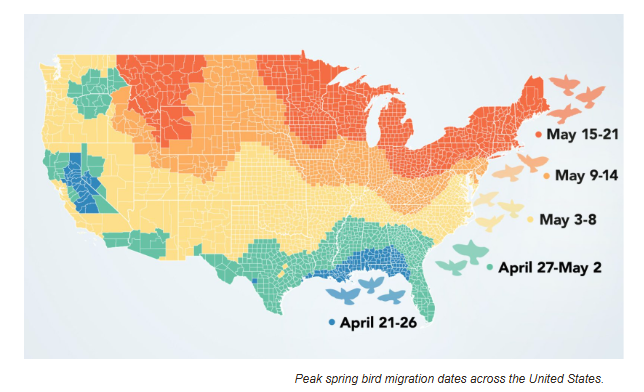
Minnesota’s Progress: Minnesota established the voluntary program in 2007, and today 96 buildings in 15 cities across the state are participating. A study by the Field Museum in Chicago found that turning off lights at one downtown building reduced migratory bird deaths there by 83 percent.
What Individuals Can Do: In Minnesota, buildings — and homeowners — are encouraged to go “lights out” from midnight to dawn between March 15 and May 31 by shutting down exterior decorative lighting, dimming lobby and atrium lighting, and switching off interior lights.
Sources:
Lights Out Minnesota
Bring Me the News
Cornell Lab: All About Birds
Birdcast Dashboard
Hummingbird Migration