


Shorewood Citizen Advocates

Building positive change through communication, education and advocacy
three
Lights Out Minnesota!

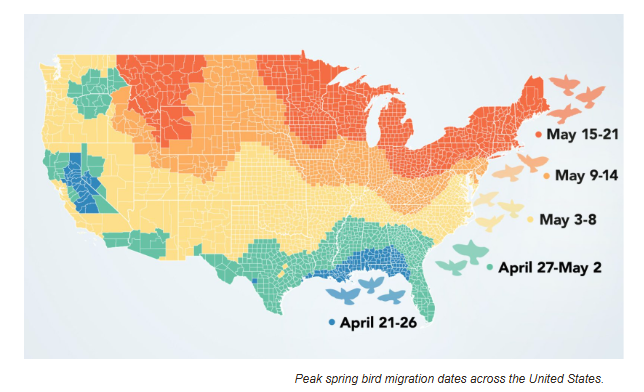
The Program: Lights Out Minnesota works with residents and building owners to voluntarily dim unnecessary lighting overnight during bird migration seasons. Most birds migrate at night and can be drawn off course by lighted structures — many are killed or injured in collisions with buildings, or drop from exhaustion after circling them.

Lights Out Alert Minnesota (LOAM) is building a network of communities, organizations, and individuals using real-time migration forecasts to identify nights when they expect large numbers of birds to move across the region. On these high-activity nights, alerts are shared across the state encouraging people to take action when it matters most.

It’s estimated that building collisions kill more than one billion birds annually in the U.S. On peak migration nights, as many as 45 million birds migrate over Minnesota alone. Minnesota is a major migration corridor located in the Mississippi Flyway NS.5 million to 1+ million birds/year die from collisions in Minnesota.
Minnesota’s Progress: Minnesota established the voluntary program in 2007, and today 96 buildings in 15 cities across the state are participating.  A study by the Field Museum in Chicago found that turning off lights at one downtown building reduced migratory bird deaths there by 83 percent.

What Individuals Can Do: In Minnesota, buildings — and homeowners — are encouraged to go “lights out” from midnight to dawn between March 15 and May 31 by shutting down exterior decorative lighting, dimming lobby and atrium lighting, and switching off interior lights.

Sources:

Lights Out Minnesota
Bring Me the News
Cornell Lab: All About Birds

Birdcast Dashboard
Hummingbird Migration

The Monarchs Are Here!

Spotted in Shakopee and New Brighton as of May 6, these orange-winged optimists are already on the move — and they didn’t come all this way just to turn around.  Monarchs assure us that warmer days are coming.

Click on the interactive map below to track them–and report your sightings.

Monarch Butterfly Sighting Map

Did you know?
Bird nests are protected by law
  • In the U.S. it is illegal to disturb, move or destroy an active bird nest (one with eggs or chicks, even on private property.
  • This rule comes from the Migratory Bird Treaty Act which safeguards most native bird species.
  • An “active” nest means it contains eggs or dependent young. Interfering can result in fines or penalties.
  • Some non-native birds–house sparrows, European starlings and rock pigeons are not protected by the MBTA.
  • Eagle nests are protected at all times, not just when the nests are in use by eagles. They may not be touched without a permit per the U.S. Fish & Wildlife Service.
  • Disturbing any nest with babies or eggs can cause the mother to abandon the nest.

Sources:
U.S. Fish & Wildlife Service – Eagle Management
U.S. Fish & Wildlife Service – Bird Nests

Was this post useful?

Average rating 5 / 5. Vote count: 5

No votes so far! Be the first to rate this post.

Get the latest Shorewood Citizen Advocate content delivered to your inbox

Free.  No ads.  No solicitations.

Share this article

Facebook
Twitter
Email
Subscribe
Notify of

All comments will be reviewed before posting. Respectful debate and disagreement is welcome. Threats or profanity will not be approved.

0 Comments
Oldest
Newest
Inline Feedbacks
View all comments
  •  

  •  

  •  

  • Most Read in the Last 30 Days
  •  

  • Featured Articles
  • Contact Us

    or

    Become a Content Contributor

    Information provided on this site will remain the sole property of SCA, and will not be shared on any other platform or with other people.  It will be used strictly for SCA communication with the submitting individual.

    Enter your information to receive new SCA content in your email inbox

    You will receive a confirmation email after submission