Shorewood Citizen Advocates

Building positive change through communication, education and advocacy

plants

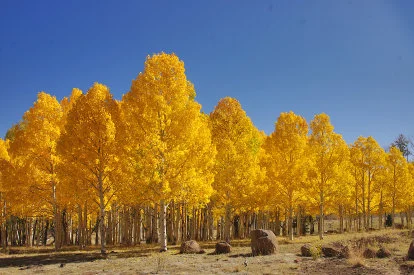
Aspens, known for brilliant shades of gold and yellow, create some of the most stunning fall foliage displays.   Anyone who enjoys the beauty of quaking aspens may be a fan of “Pando,” a massive clonal colony of a single male quaking aspen located in south-central Utah.
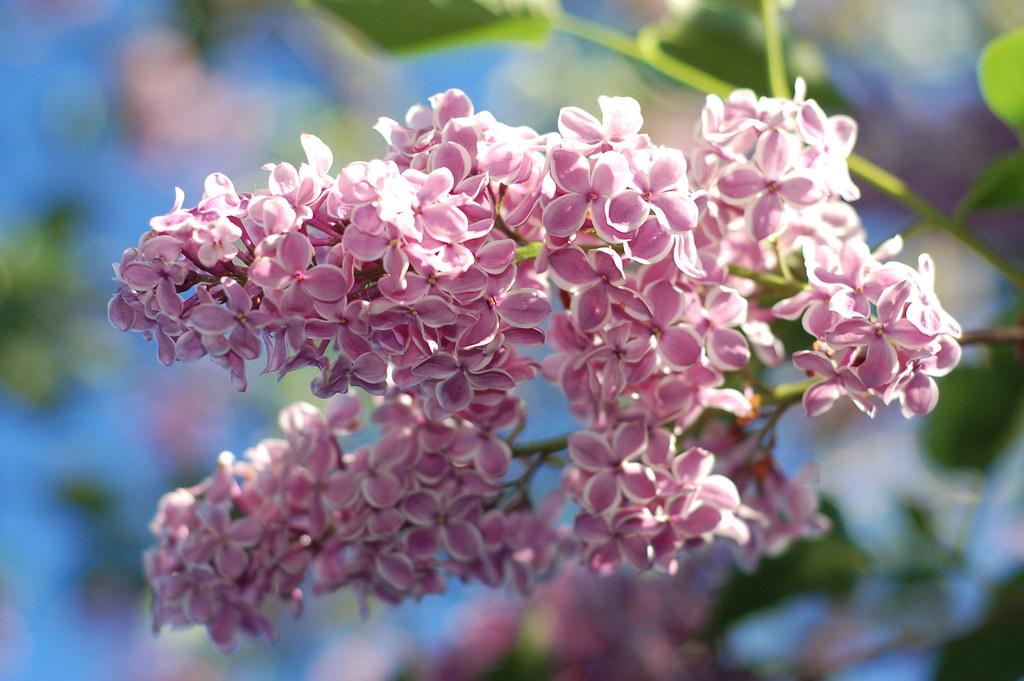
One cannot help but notice the naked branches of lilac bushes in nearly every yard around.   SCA has located information below which is cited directly from Fungal Leaf Diseases of Lilac, by the University of Minnesota Extension.
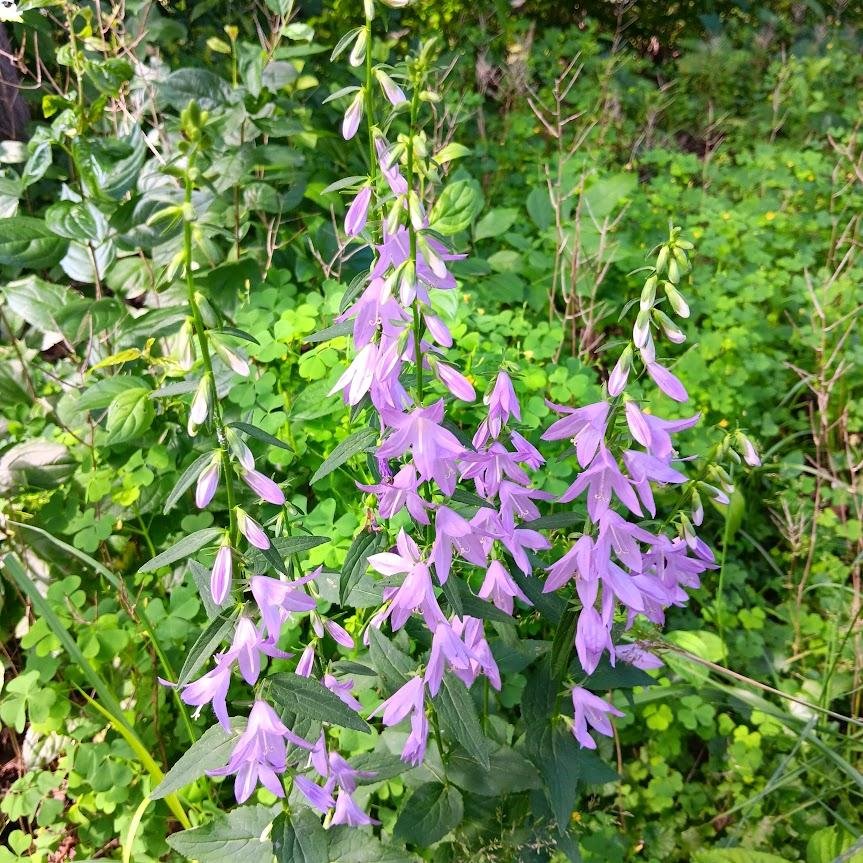
Purple creeping bellflower is an invasive plant from central and southern Europe, west Asia, and the Caucasus. It will easily take over a garden and choke out other plants.
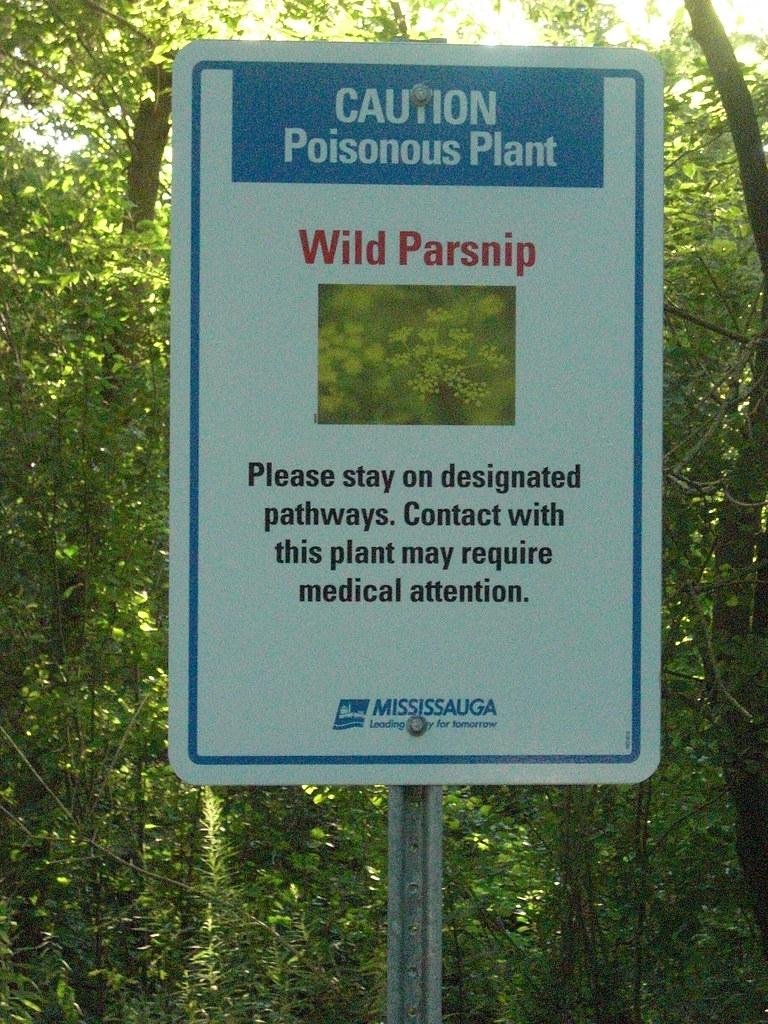
The MnDNR says “Invasive species are species that are not native to Minnesota and cause economic or environmental harm or harm to human health.”   Wild parsnips are one of the latest “invasives” to show up in the region.
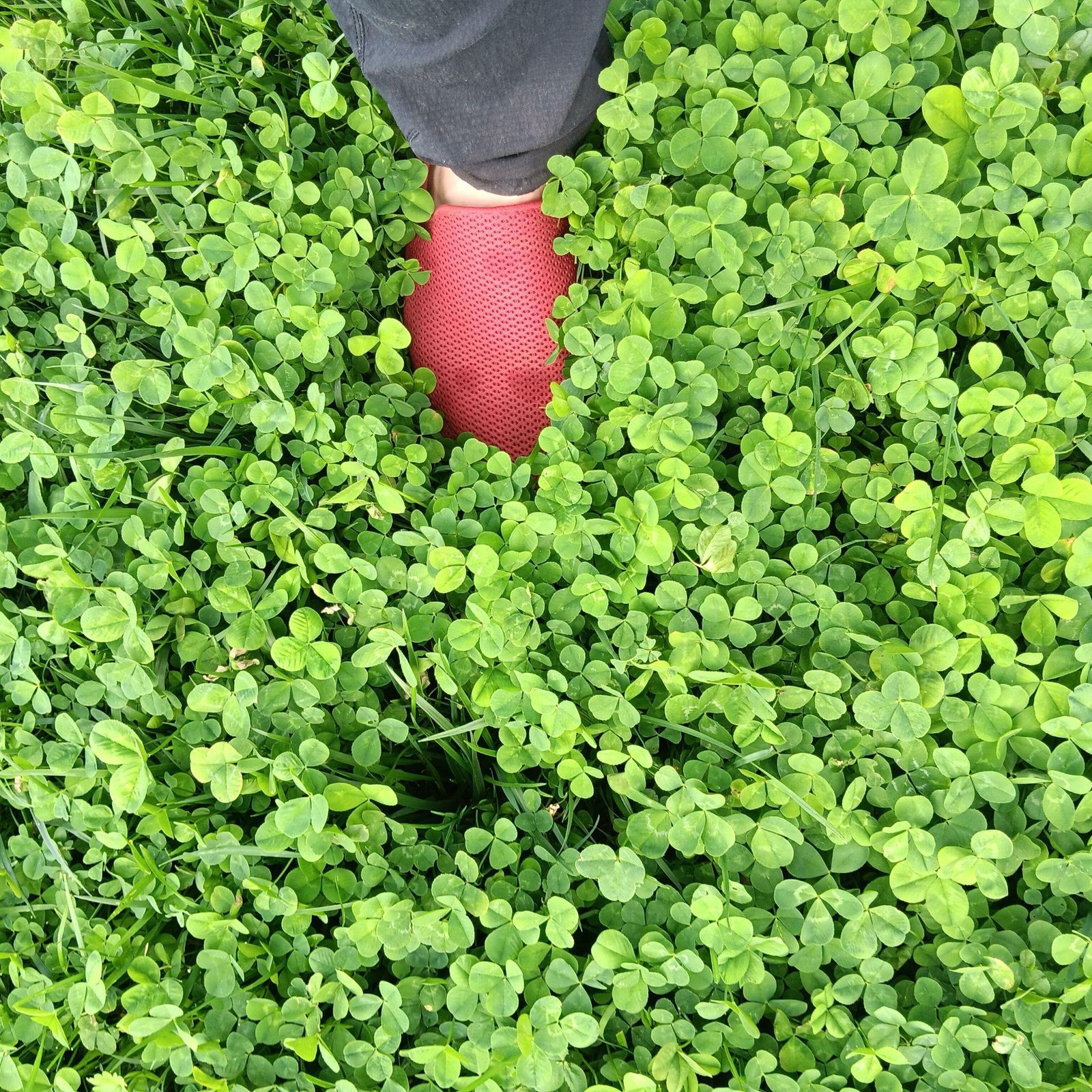
Sometimes there are certain areas of the lawn that constantly cry for maintenance. Traditional bluegrass lawns demand food, water, temperate weather and are disease prone.   One local resident has researched alternatives and starting in the drought of 2023, is experimenting with perennial white mini-clover in a contained area.
Images of the Bradford pear tree (sometimes referred to as “Callery” pear) may appear in nursery catalogs cloaked in a solid sheath of white blossoms. Local nurseries sell them.   But buyer beware: Bradford pears may be a “wolf in sheep’s’ clothing.
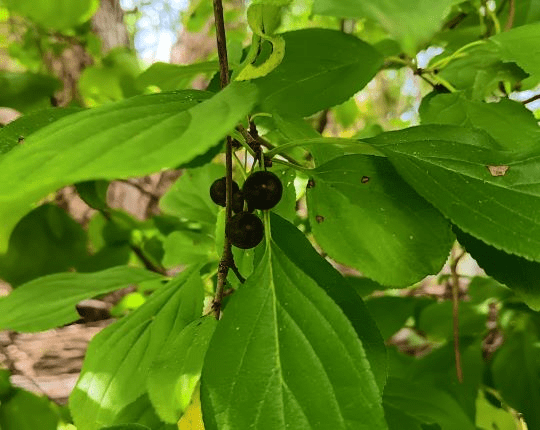
This article will explain the history of a taxpayer-funded Urban Forest Management Plan process for Shorewood, and how it has evolved to current day.   The City seems to be facing the “perfect storm” for tree management on its properties:   Emerald Ash Borer, oak wilt, lingering Dutch elm, buckthorn and other woody invasives, several years of drought and a winter without enough snow to blanket tree roots exacerbate the situation.

Planting a tree can provide many benefits to the environment and overall quality of life. Trees are typically divided into two main groups, deciduous and coniferous.   In the summer, all of our plants help to keep the air around us safer and cleaner. In the winter, while many trees and plants are hibernating, conifers continue their good work.

Contact Us

or

Become a Content Contributor

Information provided on this site will remain the sole property of SCA, and will not be shared on any other platform or with other people.  It will be used strictly for SCA communication with the submitting individual.

Enter your information to receive new SCA content in your email inbox

You will receive a confirmation email after submission