
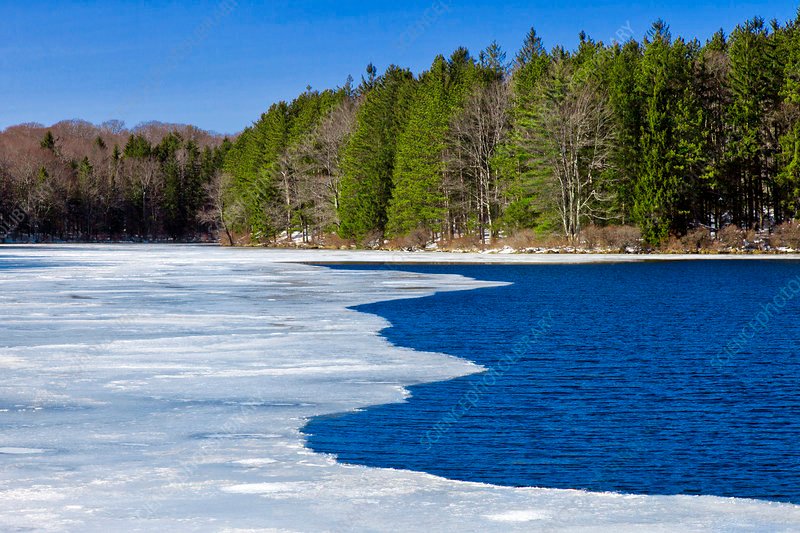
Ice Out: Welcoming Spring to Lake Minnetonka
The first “ice out” on Lake Minnetonka was recorded in 1855-three years before Minnesota statehood.
An early ice out generally happen when one of these things occur:
- Warm winters: The 1877-78 and 2023-24 seasons were characterized by record-breaking warmth.
- Lack of Snowpack.
- Late “Ice-In”: In 2024, the lake didn’t fully freeze until January 13, the latest ice-in on record.
- Spring Wind & Rain.
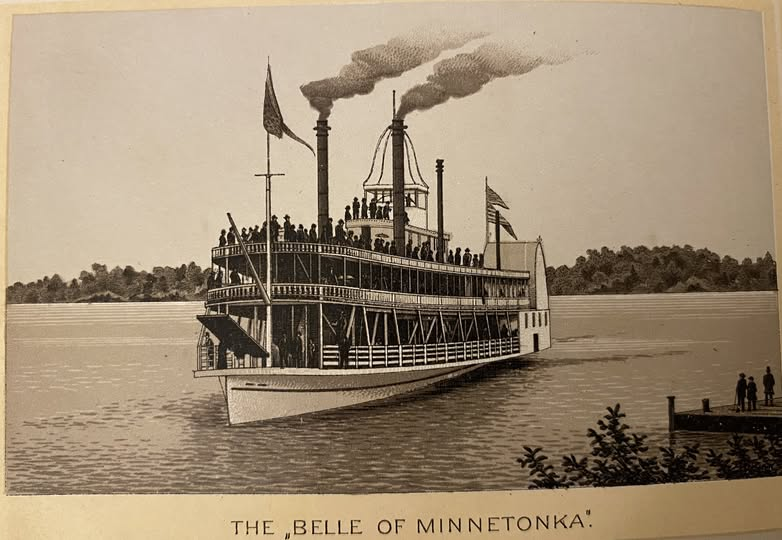
In the late 19th century, passenger steamboats like the Belle of Minnetonka marked the start of the tourist season. Newspapers would report ice-out when boats could resume scheduled runs between Excelsior, Wayzata, and Tonka Bay. Some early “ice-out” declarations were made by captains eager to start service, even if ice still clung to sheltered bays.
By the mid-20th century, ice-out became a media event. WCCO radio popularized annual ice-out reporting, often sending observers to check navigability. Some years, competing reports emerged—one declaring ice-out, another saying “not yet.” Listeners loved it. Ice-out became shorthand for “Minnesota winter is finally over.”
Before 1968 there were no consistent ways used to determine ice-out. Some methods included when the first car fell through the ice, or when a boat could circle Big Island. Now, Freshwater Society and Hennepin County Sheriff use a standardized test: A boat must be able to navigate through all channels and bays without obstruction.
Source: Freshwater Society
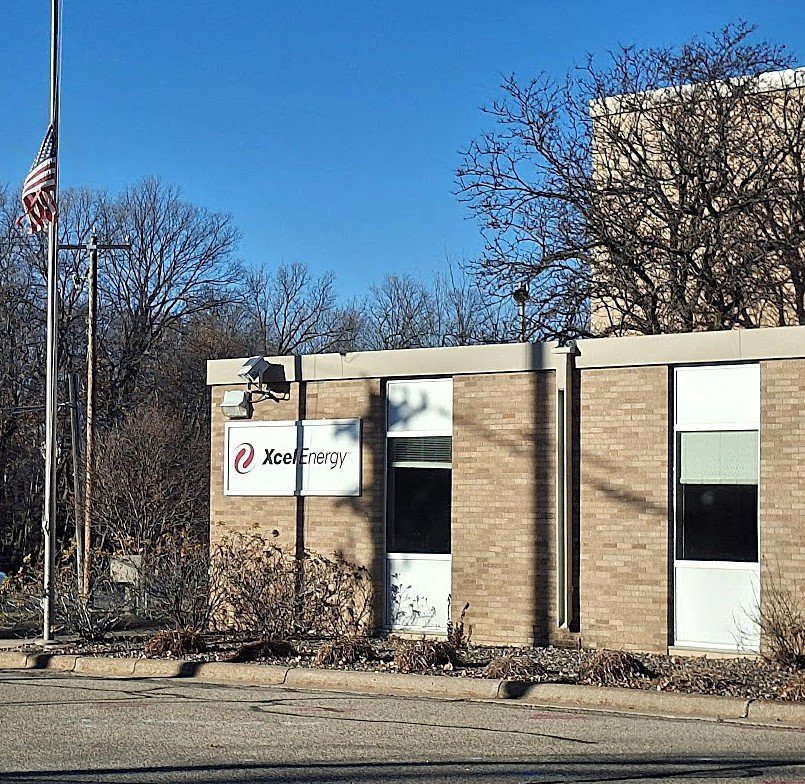
Xcel Energy site: A Prime Redevelopment Opportunity
Xcel Energy has listed its 5-acre service center property at 5505 Manitou Road in Shorewood for sale, with plans to redevelop the site for commercial or residential use. The 2025 valuation of the acreage sits at $3.41 million. The property is now vacant. Xcel has replaced the facility with a new, consolidated 130,000-square-foot facility in Chanhassen, which opened in late 2025.
The site is considered a prime redevelopment opportunity in the Shorewood area.
Source: The Business Journal
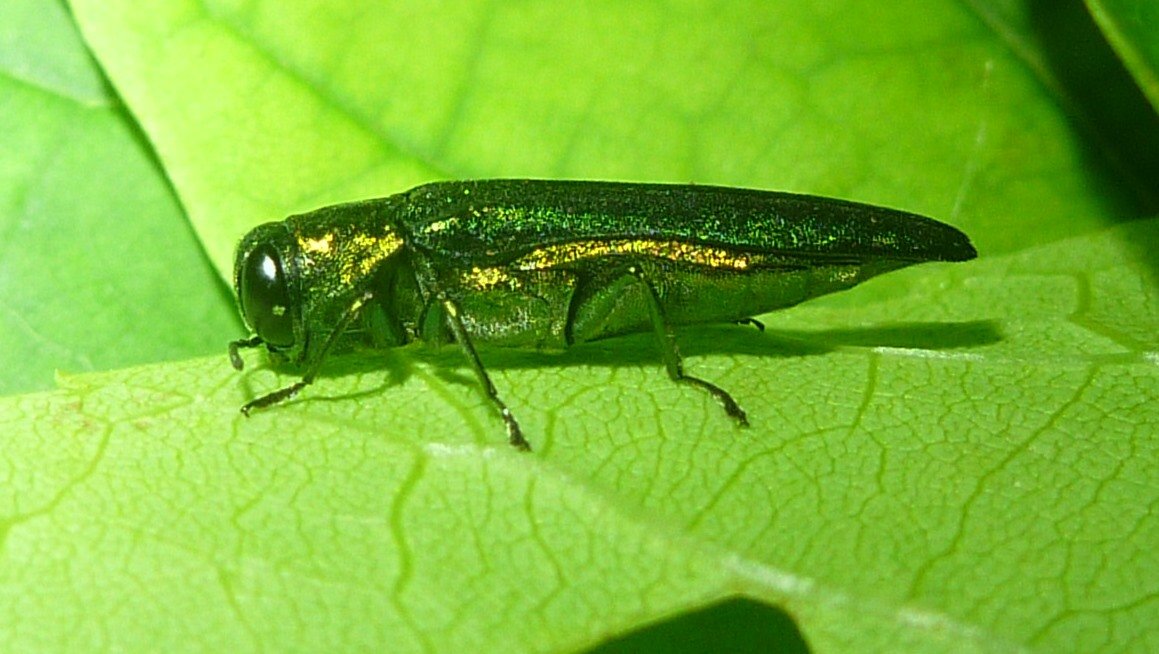
Ash Borer: A Fatal Invitation
Ever wondered how the Emerald Ash Borer (EAB) got its name? Or why it targets only the ash, not maple or oak trees? Fun fact: The emerald ash borer is primarily attracted to ash trees by a combination of olfactory cues (smell) and specific volatile chemicals released only by ash trees.
EAB are guided far more by smell than sight. Healthy ash trees actively mask these cues; stressed ash trees leak them further attracting the borer. Here’s what’s going on, plainly and accurately.
- Ethanol (stress alcohol) is released when roots are stressed by drought, flooding or soil compaction. Ethanol is one of the strongest attractants for emerald ash borer adults. It tells them the tree defenses are compromised.
- Green leaf volatiles (GLVs) are common odors released when leaves or tissues are stressed or damaged. An ash tree under stress, gives off a higher quantity—acting like a chemical distress flare to borers.
- Sesquiterpenes and monoterpenes (can’t pronounce them but they are actually a thing) are emitted by healthy trees in balanced proportions that deter insects. Stressed trees emit unbalanced or elevated blends that borers recognize as exploitable.
In summary, stress is the trigger; smell is the invitation. An ash tree giving off stress signals “invites” the ash borer to dinner. Turns out to be a fatal move.
Source: City of Hillsboro, OR
Was this post useful?
Average rating 0 / 5. Vote count: 0
No votes so far! Be the first to rate this post.