
Do You Have a Mouse in the House?
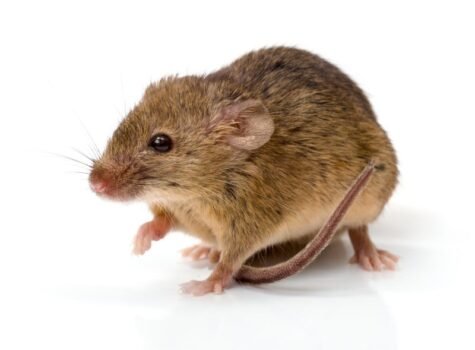
Even brand-new homes aren’t safe. House and deer mice are heat- and food-seeking pests that multiply fast and leave droppings, damage, and disease behind.
House mice live indoors—walls, attics, crawlspaces, garages—building nests from shredded paper and fabric. Look for droppings, gnaw marks, and greasy smudge trails along baseboards.
Deer mice usually live outdoors in wooded or rural areas, but move inside during fall and winter. They’re easy to spot by their two-tone fur and white bellies.
The mouse population thrives with the warmer longer fall season, heavy snow cover and an imbalance of predators which include owls (one owl can eat hundreds of mice per year), hawks, foxes, coyotes and garter snakes.
Mice squeeze through dime-sized gaps. Seal cracks with steel wool, hardware cloth, and pest-rated foam. Store food in airtight containers, keep pet food off floors, and clear vegetation and debris from foundations.
House mice commonly carry lymphocytic choriomeningitis (LCM) virus, and both species can spread salmonella through contaminated surfaces. Deer mice are the primary carriers of hantavirus pulmonary syndrome, which can be contracted by inhaling dust contaminated with urine or droppings. Cleanup using disinfectant, gloves, and respiratory protection.
Reproduction is rapid. Mice can have up to 10 litters a year. Seeing one mouse usually means more are present. Snap traps placed along walls every 6–8 feet provide fast, effective control without odor issues.
To sum it up: If you see a mouse in your house, there are probably more. Close the leaks, secure the food source and act quickly to eliminate them.
Source: Deer & House Mice
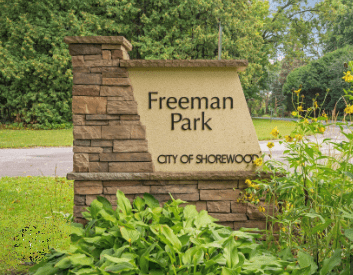
Freeman Park Transition Continues
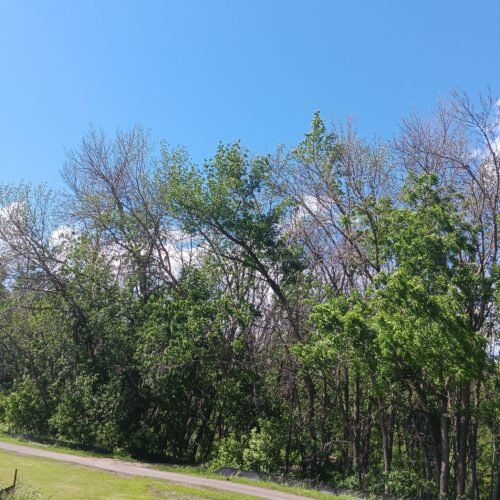
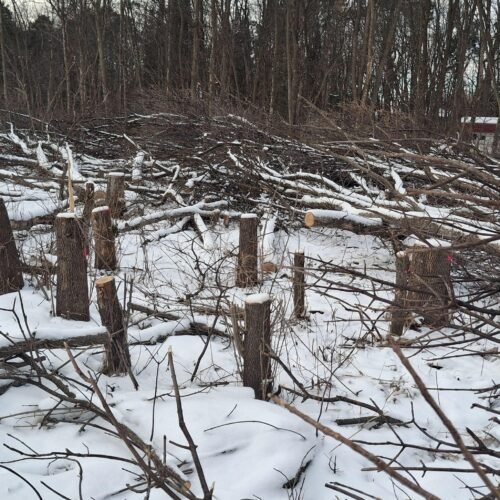
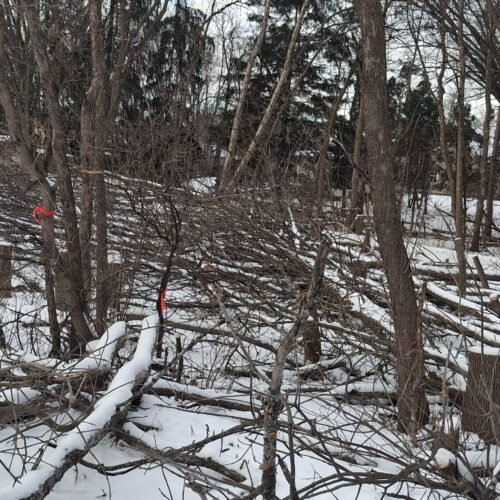
First, in 2023 it was buckthorn removal and managing re-growth. Next was seeding the forest floor with natural grasses and planting a variety of young trees. Happening now and during the next few months, city workers will focus on removal of dying ash trees in the northeast corner of the park. Based on the numbers of ash in the park, taking them out will be a monumental job. The photos below show the transition.
Click images to enlarge
A Stunning Natural DIsplay
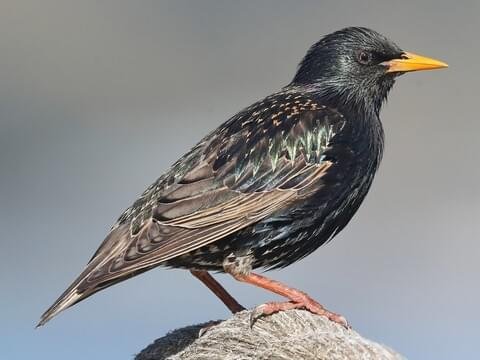
A starling murmuration is a stunning natural display where thousands of birds move in synchronized, swirling patterns at dusk in fall and winter, forming shape-shifting aerial dances for safety and roosting and an unforgettable human experience.
These hypnotic displays are called “murmurations” for the low humming sound of their wings and involve each bird reacting to its closest neighbors, creating a fluid, collective movement that’s hard for predators like falcons to target.
Why they happen
- Safety in numbers:The sheer size and unpredictable movement confuse predators, making it difficult to single out one bird.
- Warmth:Roosting together in huge flocks helps them stay warm during winter.
- Information sharing:They exchange information about food sources or roosting sites.
How they work (The “Rules”)
- Local rules:Each starling follows simple rules: stay close to neighbors, avoid collisions, and head in the same general direction.
- Rapid response:Birds process visual information faster than humans, allowing for near-instantaneous, synchronized changes in speed and direction that spread through the flock like a wave.
Was this post useful?
Average rating 4.9 / 5. Vote count: 10
No votes so far! Be the first to rate this post.